
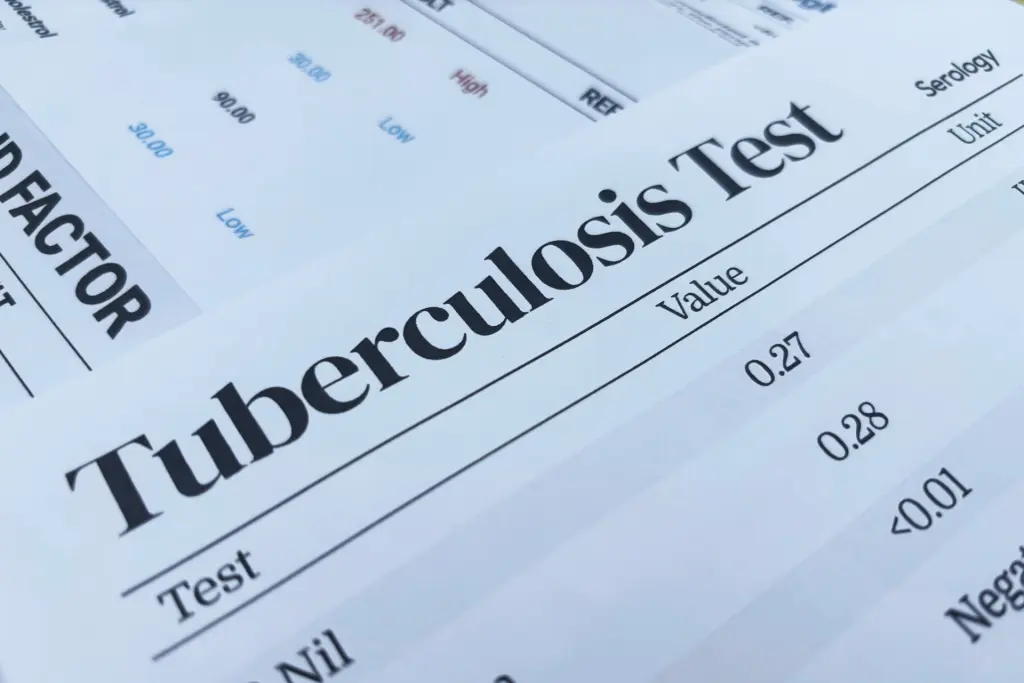
Tuberculosis, commonly known as TB, is a contagious bacterial infection that primarily affects the lungs. Although TB rates are relatively low in the United States compared to many parts of the world, the disease remains a serious public health concern. Early detection through TB testing helps prevent the spread of infection and ensures that individuals who may be exposed receive proper evaluation and care.
TB testing is commonly required for certain professions, school programs, healthcare settings, and immigration processes. Because many people do not show symptoms during the early stages of infection, screening plays a critical role in identifying latent TB infections before they become active and potentially contagious.
Understanding how often TB testing should be done can help individuals stay compliant with workplace or school requirements while also protecting their health and the health of those around them.
What A TB Test Checks For
A TB test determines whether a person has been infected with the bacteria that causes tuberculosis. It does not necessarily mean that someone is sick with active TB disease. In many cases, people may carry the bacteria without symptoms, which is known as latent TB infection.
There are two main types of TB tests commonly used in the United States. The first is the tuberculin skin test, also known as the Mantoux test. This test involves injecting a small amount of testing fluid just under the skin of the forearm. A healthcare professional then checks the area within 48 to 72 hours to measure any reaction.
The second option is a TB blood test, also called an interferon gamma release assay. This test requires a blood sample and can detect whether the immune system has been exposed to TB bacteria. Blood tests are often used for individuals who have received the BCG vaccine or for those who may have difficulty returning for a skin test reading.
Both tests are reliable screening tools, and healthcare providers determine which option is most appropriate based on a person’s medical history, occupation, and risk factors.
How Often TB Testing Needs To Be Done
The frequency of TB testing depends largely on a person’s level of risk and specific requirements from employers, schools, or healthcare organizations.
For many individuals, TB testing is only required once as part of a pre employment or pre enrollment screening. For example, healthcare workers, teachers, childcare staff, and certain volunteers may need a baseline TB test before starting their roles. If the initial test is negative and there are no additional exposures, further testing may not be necessary unless workplace policies require it.
Some professions require routine TB screening on a regular basis. Healthcare workers in hospitals, long term care facilities, or other high risk environments may be asked to complete annual TB testing. However, updated public health guidelines have shifted toward risk based testing rather than automatic yearly testing for all healthcare personnel.
In schools and universities, TB testing requirements vary depending on local policies and risk assessments. Students entering healthcare programs or clinical training often need a TB test before participating in patient care settings.
Certain individuals may need additional testing after potential exposure. If someone has been in close contact with a person diagnosed with active TB disease, healthcare providers may recommend immediate testing followed by another test several weeks later to confirm results.
Ultimately, the timing and frequency of TB testing should follow the guidance of medical professionals, workplace regulations, and public health recommendations.
Who May Need More Frequent TB Screening
While many people only need a TB test once, others may require more regular screening due to their environment or health risks.
Healthcare Workers And Medical Staff
Individuals who work in healthcare settings may have an increased chance of exposure to TB patients. Hospitals and clinics often conduct baseline testing when employees are hired and may require periodic screening depending on workplace risk assessments.
People Working In High Risk Environments
Certain workplaces, such as correctional facilities, homeless shelters, and long term care centers, may also require TB testing. These environments can increase the likelihood of exposure, which makes routine screening an important preventive measure.
Individuals With Medical Risk Factors
People with weakened immune systems may be at higher risk for developing active TB disease if infected. This includes individuals with conditions such as HIV, those undergoing chemotherapy, or those taking medications that suppress the immune system. Healthcare providers may recommend TB screening more carefully for these individuals.
People Who Travel Or Live In High TB Prevalence Areas
Individuals who frequently travel to or live in regions where TB is more common may also benefit from periodic testing. International students and workers sometimes undergo TB screening as part of immigration or employment requirements.
Signs That May Prompt TB Testing
Even if someone does not fall into a high risk category, certain symptoms may prompt a healthcare provider to recommend TB testing.
Persistent coughing that lasts several weeks, unexplained weight loss, night sweats, fever, and fatigue can all be possible signs of active TB disease. While these symptoms may also be caused by other illnesses, medical evaluation is important to rule out tuberculosis and begin treatment if necessary.
If a person has been exposed to someone diagnosed with TB, testing is often recommended even if no symptoms are present. Early screening helps prevent the spread of infection and allows healthcare providers to take appropriate precautions.
Why Timely TB Testing Protects Public Health
TB testing plays a crucial role in protecting both individual health and community safety. Detecting latent TB infection allows healthcare providers to monitor patients and provide treatment when necessary, preventing the infection from progressing to active disease.
In workplaces such as hospitals, schools, and care facilities, routine screening policies help ensure that potential exposures are identified early. This reduces the risk of outbreaks and protects vulnerable populations, including children, older adults, and individuals with weakened immune systems.
Additionally, TB testing helps organizations maintain compliance with health regulations and occupational safety standards. By staying up to date with recommended screenings, employees and employers contribute to a safer environment for everyone.
Where To Get TB Testing
TB testing is widely available at urgent care centers, primary care clinics, and occupational health providers. Urgent care clinics are often a convenient option for individuals who need testing quickly for employment, school, or medical requirements.
The process is typically straightforward and efficient. Patients can receive a TB skin test in a short appointment and return within two to three days for the reading. Blood tests may also be available for those who need results without a follow up visit.
Healthcare professionals can also answer questions about TB risk, interpret test results, and recommend next steps if further evaluation is needed.
Schedule Your TB Test In Port Charlotte With PrimeHealth Urgent Care
If you need TB testing for work, school, travel, or personal health screening, the experienced medical team at PrimeHealth Urgent Care in Port Charlotte, Florida is here to help. Our clinic provides fast, convenient TB testing in a comfortable and professional setting, making it easier to complete screenings required for employment, school programs, or medical clearance.
Whether you need a routine TB skin test or guidance after possible exposure, our providers are ready to assist with compassionate care and efficient service. Visit https://primehealthuc.com/ to learn more about our urgent care services, occupational health services, and testing options, or stop by our Port Charlotte location today.